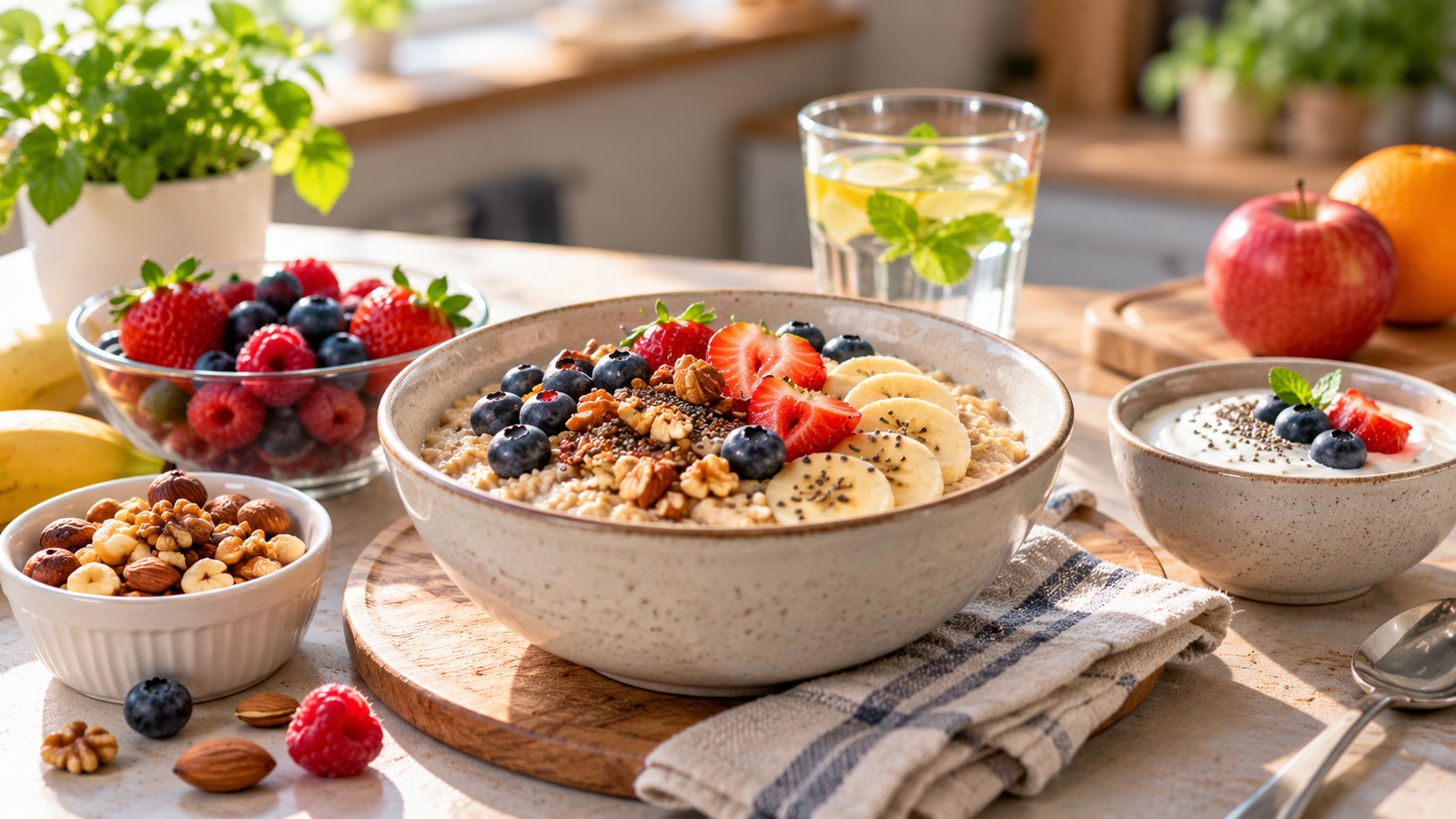
Healthy Eating for Beginners: A Simple Guide to Balanced Nutrition
Healthy eating is one of the most effective ways to support your overall well-being, maintain energy levels, and develop habits that benefit you over time. However, knowing what to eat can feel confusing when there is so much conflicting nutrition advice online.
The good news is that healthy eating does not require an expensive diet, complicated meal plans, or giving up all your favorite foods. A balanced approach focuses on eating a variety of nutritious foods, choosing appropriate portions, drinking enough water, and developing habits you can maintain.
Whether you want to improve your daily diet, prepare more meals at home, or simply understand nutrition better, getting started can be easier than you think.
In this beginner-friendly guide, you will learn the basics of balanced nutrition, discover practical ways to build healthier meals, and find simple strategies to make healthy eating part of your everyday routine.
What Is Healthy Eating?
Healthy eating means choosing a variety of foods that provide the nutrients your body needs to function properly. These nutrients include carbohydrates, protein, fats, vitamins, minerals, fiber, and water.
A balanced diet supports normal body functions, helps maintain energy, and contributes to long-term health.
Rather than focusing on a single food or eliminating entire food groups without a medical reason, healthy eating emphasizes variety, moderation, and balance.
A nutritious eating pattern commonly includes:
- Fruits and vegetables.
- Whole grains and other fiber-rich foods.
- Protein sources such as beans, lentils, eggs, fish, poultry, and lean meat.
- Healthy fat sources such as nuts, seeds, olive oil, and other unsaturated oils.
- Dairy products or suitable fortified alternatives.
- Water and other appropriate low-sugar beverages.
The ideal combination depends on your age, activity level, cultural food preferences, health needs, and personal circumstances.
Why Is Balanced Nutrition Important?
Your body needs a range of nutrients to support everyday activities, maintain tissues, and carry out essential biological processes.
Eating a varied and balanced diet can help support:
1. Everyday Energy
Carbohydrates, fats, and protein provide energy or help your body use and store energy. Eating regular, balanced meals can help you meet your daily nutritional needs.
2. Healthy Digestion
Fiber-rich foods, including vegetables, fruits, legumes, and whole grains, help support normal digestion and bowel function.
3. Immune Function
Adequate nutrition supports the normal functioning of the immune system. Vitamins, minerals, protein, and other nutrients all contribute to maintaining good health.
4. Muscle and Tissue Maintenance
Protein provides amino acids that your body uses to maintain and repair tissues. Combining appropriate protein sources with regular physical activity supports muscle health.
5. Long-Term Well-Being
A balanced dietary pattern can contribute to reducing the risk of certain chronic diseases when combined with other healthy lifestyle habits.
No single food guarantees good health. Consistent eating patterns matter more than occasional meals or individual ingredients.
The Main Components of a Balanced Diet
Understanding the main food groups can make planning nutritious meals much simpler.
1. Fruits and Vegetables
Fruits and vegetables provide vitamins, minerals, fiber, and other beneficial plant compounds.
Try to include a variety of colors and types throughout the week. Different foods contain different combinations of nutrients, so variety is more useful than relying on just one fruit or vegetable.
Examples include:
- Apples, bananas, oranges, and berries.
- Spinach, carrots, tomatoes, and broccoli.
- Seasonal fruits and locally available vegetables.
- Frozen vegetables without excessive added salt or sauces.
Fresh, frozen, and appropriately stored canned produce can all contribute to a healthy diet.
If fresh produce is expensive, choosing seasonal options and using vegetables in soups, stews, and mixed dishes can help make healthy eating more affordable.
2. Whole Grains and Other Carbohydrates
Carbohydrates are an important source of energy. Whole grains also provide fiber and other nutrients that may be reduced during refining.
Examples include oats, brown rice, whole-wheat bread, whole-grain pasta, and other minimally processed grains.
Other staple foods, including potatoes, rice, and bread, can also fit into a balanced diet. The overall meal pattern and portion sizes matter.
You do not need to eliminate carbohydrates to eat healthily. Instead, aim for variety and include fiber-rich options regularly.
3. Protein-Rich Foods
Protein helps build and maintain muscles and supports many essential processes in the body.
Good protein sources include:
- Eggs.
- Fish and poultry.
- Beans and lentils.
- Chickpeas and peas.
- Nuts and seeds.
- Milk, yogurt, and suitable fortified alternatives.
- Lean meat and other protein-rich foods.
You can combine plant and animal protein sources according to your preferences, budget, and nutritional needs.
For example, lentils with rice, eggs with whole-wheat toast, or yogurt with oats can provide useful combinations of nutrients.
4. Healthy Fats
Fat is an essential nutrient that helps the body absorb certain vitamins and supports cell function.
Unsaturated fats are found in foods such as nuts, seeds, avocados, and olive, canola, and other vegetable oils.
Fish can also provide beneficial omega-3 fatty acids.
Saturated fats are found in foods such as butter, fatty meats, and some processed products. Replacing some saturated fats with unsaturated fats can support cardiovascular health.
You do not need to avoid fat entirely. Focus on the types of fats you consume and the overall quality of your diet.
5. Dairy Products or Suitable Alternatives
Milk, yogurt, and other dairy products can provide protein and calcium. Depending on the product, they may also provide vitamin B12 and other nutrients.
If you avoid dairy, choose fortified alternatives that provide nutrients such as calcium and vitamin D. Check product labels because nutritional content varies considerably.
People with food allergies, intolerances, or specific medical requirements may need individualized alternatives.
6. Water and Hydration
Water supports digestion, circulation, temperature regulation, and other essential bodily functions.
Your fluid needs vary according to temperature, activity level, body size, health conditions, and other factors.
Keep water available during the day and drink regularly, particularly in hot weather or when exercising.
Water is often a useful everyday choice because it does not contain added sugar. Other beverages can also contribute to hydration, but frequent consumption of sugary drinks may add substantial amounts of sugar to your diet.
How to Build a Balanced Meal
You do not need to calculate every nutrient to make a nutritious meal. A simple visual approach can help you get started.
For many adults, a useful starting point is the healthy plate method:
- Half the plate: Vegetables and fruits, with an emphasis on vegetables.
- One-quarter: Protein-rich foods such as beans, eggs, fish, poultry, or lean meat.
- One-quarter: Whole grains or other suitable starchy foods.
- Alongside the meal: Water and an appropriate source of healthy fats.
This is a general guide, not a strict rule. Your portions and food choices may need to change depending on your energy needs, health, activity level, and personal circumstances.
For example, a balanced lunch could include grilled chicken or chickpeas, brown rice or whole-wheat roti, cooked vegetables, and a serving of fruit.
You can use the same principle with many different cuisines. Traditional dishes can fit into a balanced diet without replacing every familiar ingredient.
Simple Healthy Eating Tips for Beginners
Starting with small changes is often easier than completely changing your diet overnight.
1. Make One Change at a Time
Choose one practical habit, such as adding a serving of vegetables to lunch or replacing a sugary drink with water more often.
Once that change becomes routine, introduce another.
2. Plan Meals Before Shopping
Planning a few meals in advance can reduce food waste and make grocery shopping more efficient.
Write a shopping list based on your planned meals and the ingredients you already have.
3. Cook More Meals at Home
Preparing meals at home gives you greater control over ingredients, portions, salt, and added sugar.
Start with simple dishes that use familiar ingredients. You do not need advanced cooking skills to prepare nutritious meals.
4. Eat More Fiber-Rich Foods
Increase fiber gradually by including beans, lentils, fruits, vegetables, oats, and whole grains.
Drink enough fluids as you increase fiber intake to support normal digestion.
5. Pay Attention to Hunger and Fullness
Eat at a comfortable pace and notice when you feel satisfied. Your appetite can vary from day to day, and you do not need to follow rigid portion rules.
6. Limit Excess Added Sugar and Salt
Check food labels when available and compare products to identify options with less added sugar or sodium.
You can also experiment with herbs, spices, garlic, lemon, and other ingredients to add flavor without relying heavily on salt.
7. Keep Convenient Nutritious Foods Available
Keeping foods such as fruit, yogurt, nuts, boiled eggs, or prepared vegetables available can make it easier to choose a nourishing snack when you are hungry.
Select foods that fit your dietary requirements, budget, and storage conditions.
Healthy Eating on a Budget
Eating healthily does not have to mean buying expensive specialty foods or supplements.
Many nutritious ingredients are affordable, particularly when you choose seasonal produce, prepare meals at home, and reduce food waste.
Here are practical ways to control costs:
Buy seasonal produce. Seasonal fruits and vegetables may offer better value depending on local availability.
Use beans and lentils. These provide protein, fiber, and other nutrients and can form the basis of many affordable meals.
Plan meals around staple foods. Rice, oats, potatoes, whole grains, and other local staples can help create filling meals.
Cook larger batches when practical. Prepare extra portions and refrigerate or freeze them safely for later meals.
Compare unit prices. Check the price per kilogram, liter, or serving rather than relying only on the package price.
Reduce food waste. Store ingredients properly, freeze suitable foods, and use leftovers safely.
Choose convenient alternatives carefully. Frozen vegetables and other minimally processed ingredients may be practical when fresh options are expensive or difficult to store.
The goal is to find a realistic combination of nutritious foods that fits your budget and daily routine.
Foods to Limit for Better Health
Healthy eating does not require labeling foods as completely good or bad. However, some foods and drinks are best consumed less frequently or in smaller amounts.
Consider limiting:
- Sugary drinks and frequent high-sugar snacks.
- Foods high in sodium, especially when consumed frequently.
- Processed meats.
- Foods containing large amounts of saturated fat.
- Frequent highly processed meals that displace more nutritious options.
The effect of a food depends on your overall dietary pattern, portion size, frequency of consumption, and individual health needs.
You can still enjoy favorite foods as part of a balanced eating pattern. Long-term consistency is generally more useful than extreme restrictions that are difficult to maintain.
Common Healthy Eating Mistakes Beginners Should Avoid
When starting a healthier diet, it is easy to become overwhelmed by rules and online advice.
Avoid these common mistakes:
Eliminating Entire Food Groups Without a Reason
Removing carbohydrates, fats, or other major food groups unnecessarily can make it harder to obtain adequate nutrition. Restrictive diets may be appropriate in certain medical circumstances, but they should be chosen carefully.
Expecting Instant Results
Healthy eating supports long-term well-being. It is not a quick fix, and you do not need to judge your progress by rapid changes in weight or appearance.
Following Every Online Nutrition Trend
Popular diets and supplements do not automatically provide better results. Evaluate nutrition advice carefully and rely on credible health guidance.
Spending Too Much on Supplements
Most people should focus first on meeting nutritional needs through food. Supplements may be useful for specific deficiencies or circumstances, but they are not a replacement for a balanced diet. Seek professional guidance when needed.
Ignoring Individual Needs
People have different nutritional requirements. Pregnancy, food allergies, medical conditions, medications, and other factors may affect which foods or portions are appropriate.
A Simple One-Day Healthy Eating Example
The following example illustrates how a beginner might organize meals around a variety of food groups. It is not a personalized diet plan, and portion sizes should reflect individual needs.
Breakfast: Oatmeal with milk or a fortified alternative, a banana, and a small serving of nuts.
Morning snack: An apple or another seasonal fruit.
Lunch: Lentils or grilled chicken, rice or whole-wheat roti, and a generous serving of vegetables.
Afternoon snack: Plain yogurt or a suitable alternative.
Dinner: Fish, beans, eggs, or another protein source with cooked vegetables and potatoes, rice, or whole grains.
Drinks: Water throughout the day, with other beverages chosen according to preference and nutritional needs.
You can adapt this example to local foods and your budget. For instance, lentils, chickpeas, seasonal vegetables, eggs, and whole-wheat roti can all contribute to nutritious meals.
The important thing is to include variety over time rather than trying to follow one perfect menu.
Frequently Asked Questions
1. What is the easiest way to start eating healthy?
Start by adding more fruits and vegetables, choosing fiber-rich foods more often, drinking water regularly, and preparing simple meals at home. Introduce changes gradually so they become manageable habits.
2. What should a beginner eat every day?
Aim for a variety of vegetables, fruits, protein-rich foods, whole grains or other suitable carbohydrates, healthy fat sources, and enough fluids. Exact portions depend on your individual needs.
3. Is healthy eating expensive?
No. Affordable foods such as beans, lentils, eggs, oats, seasonal produce, and local staple foods can contribute to a nutritious diet. Planning meals and reducing food waste can also lower grocery costs.
4. Do I need to stop eating rice or bread to be healthy?
No. Rice and bread can be part of a balanced diet. Consider portion sizes, variety, and the overall nutritional quality of your meals. Whole-grain options provide more fiber when available and suitable.
5. How much water should I drink each day?
Fluid needs vary with climate, activity, health, and other factors. Drink regularly throughout the day and pay attention to thirst, particularly in hot weather. Some people need individualized fluid guidance because of medical conditions.
6. Are snacks part of a healthy diet?
Yes. Snacks can help satisfy hunger between meals. Options such as fruit, yogurt, nuts, or boiled eggs may provide useful nutrients, but the best choices depend on your appetite, dietary needs, and preferences.
7. Do I need supplements to eat healthily?
Not necessarily. Many people can meet most nutritional needs through a varied diet, although certain individuals may require supplements because of deficiencies, life stages, medical conditions, or dietary restrictions. A healthcare professional can help determine whether supplementation is appropriate.
8. How long does it take to develop healthy eating habits?
It varies from person to person. Begin with a few manageable changes and practice them consistently. Rather than expecting perfection, focus on building a routine that you can maintain over time.
Final Thoughts
Healthy eating for beginners does not have to be complicated. By understanding the basics of balanced nutrition, choosing a variety of foods, planning meals, and making gradual improvements, you can develop habits that support your well-being.
Focus on including fruits, vegetables, protein sources, fiber-rich carbohydrates, healthy fats, and adequate fluids in your daily routine. Choose affordable foods that fit your preferences, and avoid unnecessary restrictions or expensive products that promise instant results.
Remember that a healthy diet is not about eating perfectly every day. It is about making nourishing choices consistently while allowing flexibility for your lifestyle and individual needs.
Start with one small change today, build on it gradually, and make healthy eating a sustainable part of your life.
